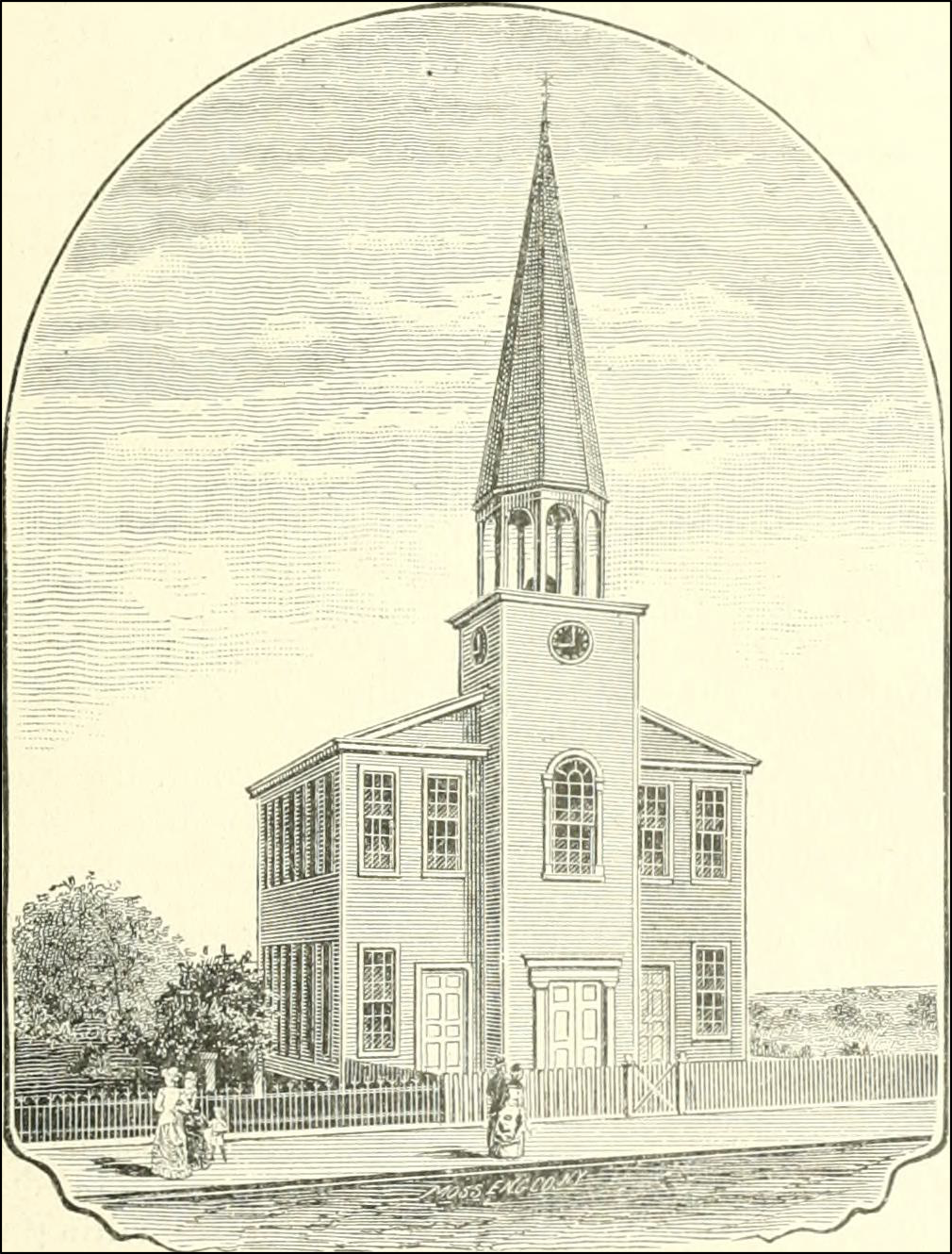
Located at 82 Third Street in Troy, New York, our chapter home stands on the historic grounds of the former First Baptist Church and its neighboring schoolhouse. The First Baptist congregation was founded in 1795, and the church held this property from the late 18th century onward. An early wooden meetinghouse was constructed on the site in 1805, but as the congregation expanded, it was replaced in 1846 by the substantial brick sanctuary that still defines the building today. The church was an imposing presence in downtown Troy, crowned by a white steeple that rose approximately 177 feet above Third Street. For generations, that soaring spire was one of the city’s most recognizable landmarks and often described as a point of orientation along the Hudson River corridor.
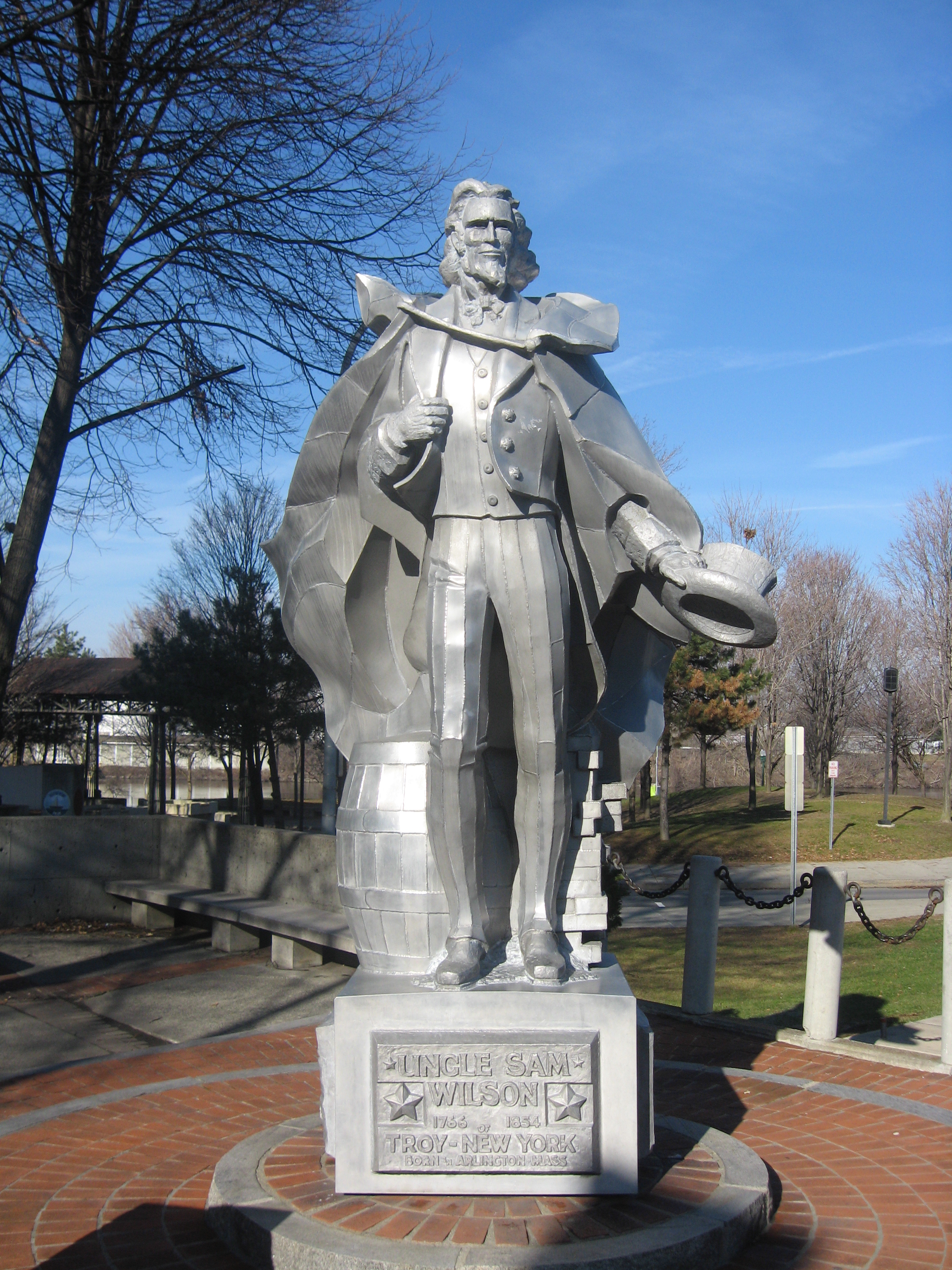
This building’s story also intersects with a unique and important chapter of American history. Samuel Wilson, also known as "Uncle Sam", was among the First Baptist Church of Troy’s most prominent attendants, and he served as a trustee during the early 19th century (1808–1817). In the same era, the Wilson family’s brickmaking business was a major local supplier, and Troy tradition holds that E. & S. Wilson provided brick used in the church’s construction.
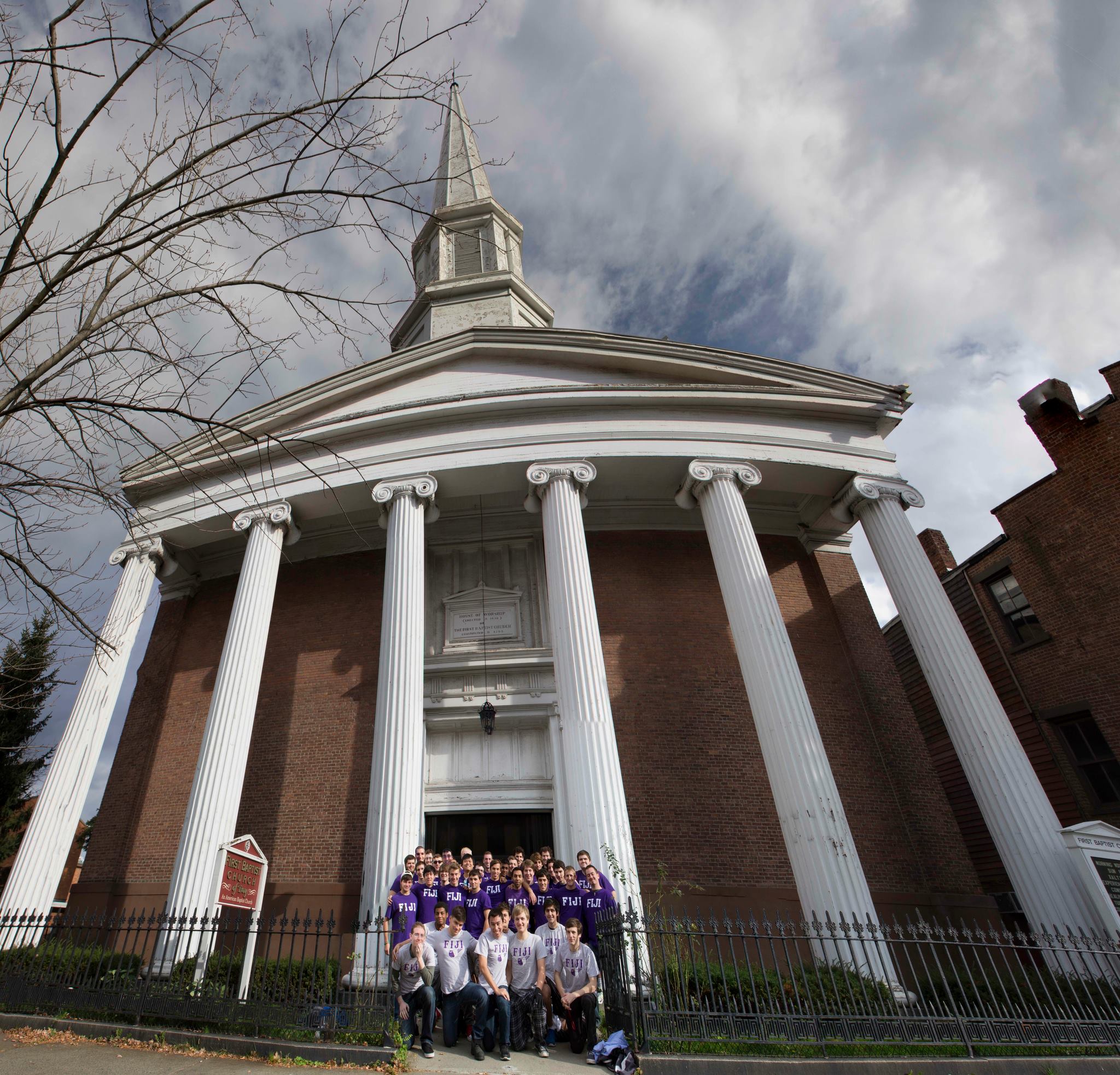
In 2014, our chapter purchased the former church building at 82 Third Street along with the neighboring schoolhouse that once housed Troy Prep School, beginning a major effort to restore and adapt a Troy landmark for modern chapter life while preserving the character of a space that had served the community for generations. After a period of renovation and preparation, the brothers began living in the house full-time during the 2014–2015 academic year, moving out of RAHPS 71–76 and into a home built for fellowship, scholarship, and tradition. Today, our chapter house is the largest at RPI by square footage, and proudly stands as the second largest Fiji chapter house in the world.
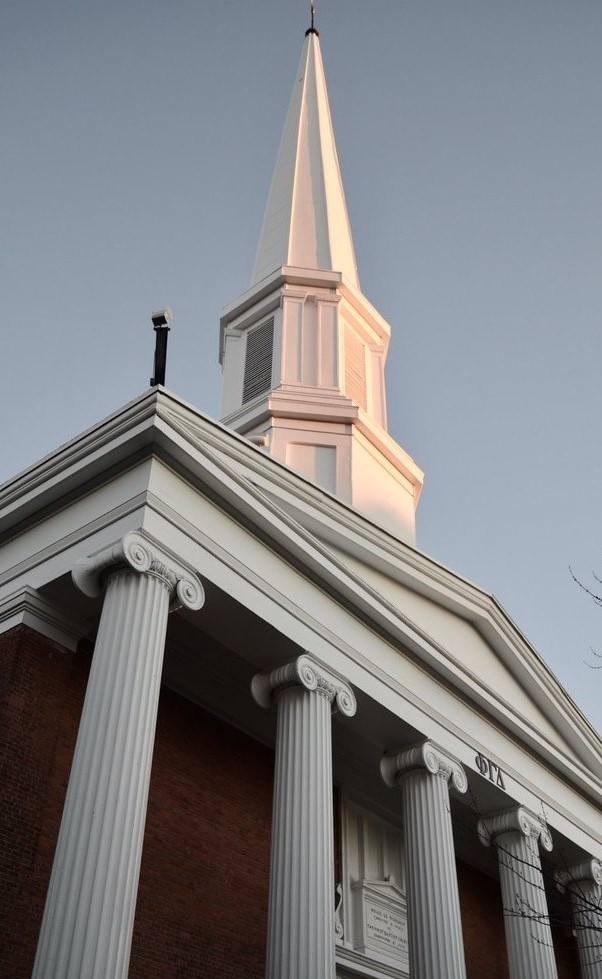
Today, our chapter home preserves this remarkable heritage while giving it renewed purpose. What once stood as a landmark for a growing city now serves as a true home for brotherhood, where men live together, learn from one another, and are challenged to lead with character. Within walls that have witnessed generations, our chapter house strengthens the bonds of friendship, creates a foundation of support and accountability, and shapes brothers into men who carry our values forward long after graduation.